You will be redirected to another website domain. Do you want to continue?
You will be redirected to another website domain. Do you want to continue?

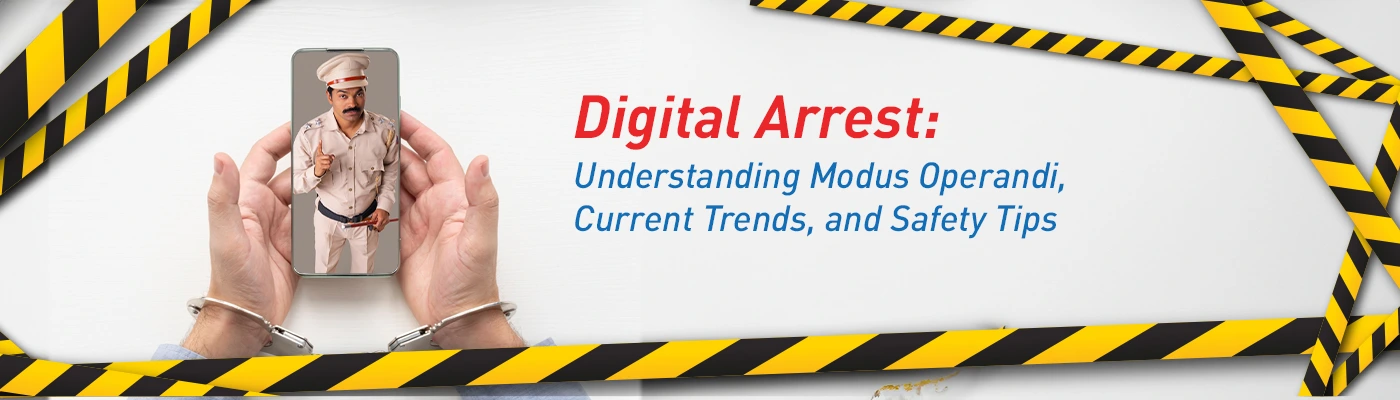
In the fast-paced digital world, cyber scams have become increasingly sophisticated, with one of the most alarming threats being digital arrest scam. Unlike general cyber fraud, digital arrest scam involves criminals impersonating law enforcement officials to intimidate victims into transferring money or sharing sensitive information. If you’ve ever received a suspicious call or message from someone claiming to be a government authority, you might have encountered this tactic.
Let’s dive into what digital arrest scams are, how they work, and, most importantly, how you can protect yourself from becoming a victim.
What is a Digital Arrest Scam?
A digital arrest is a fraudulent tactic used by cybercriminals to falsely accuse individuals of breaking the law, often claiming the existence of a digital arrest warrant. These scammers pose as officials from organizations such as customs, income tax department or even central investigative agencies. Their goal? To intimidate you into paying money or providing sensitive personal details.
Modus Operandi:
Fake Authority Claims: The scammer pretends to be a law enforcement official or agent.
Threat of Arrest: Scammers then warn victim about a supposed arrest warrant issued in victim’s name for unpaid taxes, customs violations, or other fabricated charges.
Request for Video Communication: Victims are often coerced into switching to video calls via platforms like WhatsApp or Skype to make the interaction appear more legitimate.
Fake Police Station Set-up: Scammers may create a convincing “police station” backdrop to gain trust of the victim.
Demand for Money: Victims are then pressured to pay a fee, often via a bank transfer or UPI ID, to “settle the matter” and avoid arrest.
Let’s look at some real cases of Digital Arrest Scam from the news headlines
Income Tax Fraud: A Mumbai-based professional received a call from someone posing as an income tax officer, threatening immediate digital arrest for unpaid taxes. The victim, fearing legal trouble, transferred ₹50,000 to the scammer.
Customs Violation Hoax: A Chennai resident was tricked into paying a hefty amount after being accused of customs violations related to an international parcel they had never ordered.
Social Media Targeting: An influencer was contacted on Instagram by someone claiming to be from a cybercrime department, accusing them of copyright infringement. They were asked to pay a “fine” to avoid further legal action.
These examples demonstrate how criminals exploit fear and authority to deceive victims
How to protect yourself from Digital Arrest Scams
Always remember, there is no provision for digital arrest under Indian criminal law. Staying vigilant and informed is the best defense against such frauds. Here are practical steps to safeguard yourself:
Verify the Source: If someone claims to be an official, take their name, organization and contact number. Cross-check this information by contacting the agency through official channels.
Be Suspicious of Immediate Payment Requests: Legitimate authorities will never demand instant payments over the phone or via online transfers.
Avoid Sharing Personal Details: Do not disclose sensitive information, such as Aadhaar numbers, bank details, or OTPs, over the phone or online.
Report Suspicious Calls: To report suspected fraud communications received through Call/SMS/WhatsApp visit www.sancharsaathi.gov.in/sfc/
To Report any Cybercrime incident call 1930 or visit www.cybercrime.gov.in
Stay Educated: Familiarize yourself with the latest scams by following updates from trusted sources like Union Bank of India, which actively educates customers about online fraud.
How Union Bank of India Is Spreading Awareness
As a responsible financial institution, Union Bank of India has taken proactive steps to combat cybercrime in India and protect its customers from digital arrest scams. Through educational campaigns, social media posts and fraud alerts through email/SMS, the bank ensures its customers stay informed about emerging threats. Additionally, the bank has created a dedicated section on cyber security on its corporate website to educate customers about cyber security awareness. This section contains information about the latest cyber frauds, their modus operandi, and safety tips to avoid such frauds. The Cyber Security Customer Awareness Guides (Vol I, II, III) are available to help make customers more aware.
Informative Workshops: Regular sessions are conducted to educate customers about cybercrime trends and prevention strategies.
Fraud Alerts: The bank shares real-life examples of scams via SMS, emails, and social media to keep customers vigilant.
Dedicated Helplines: Union Bank provides 24/7 assistance for reporting suspicious activity, ensuring swift action to minimize losses.
By staying informed and following basic safety measures, you can significantly reduce your risk of falling victim to online scams.
Conclusion
The rise of cybercrime in India, especially through tactics like digital arrest scams, underscores the importance of awareness and vigilance. While these scams are designed to exploit fear, understanding their modus operandi and taking preventive steps can protect your hard-earned money.
Remember, legitimate authorities will never ask for payments or sensitive details over the phone or online. Trust your instincts, verify any claims, and report suspicious activities. With organizations like Union Bank of India leading the charge in customer awareness, you can navigate the digital world confidently and securely.
Stay safe, stay informed, and never let fear dictate your actions!